The Honest Furniture Buying Guide: 5 Things Most Stores Won’t Tell You
Ready for some radical transparency? Our honest furniture buying guide reveals 5 secrets most Anchorage furniture stores won’t tell you, from the truth about matching sets to how to spot real quality.
A Confession from Your Furniture Consultant
I’m going to start with a confession—something you won’t hear from most store owners. I don’t want to sell you a matching set.
There, I said it. I’m not interested in helping you buy a 5-piece bedroom suite that looks exactly like the one on the showroom floor. Why? Because after 13 years as a business consultant, I learned that the most successful strategies are never the cookie-cutter ones. The best outcomes always come from authentic, tailored solutions. Your home deserves that same level of thoughtful strategy.

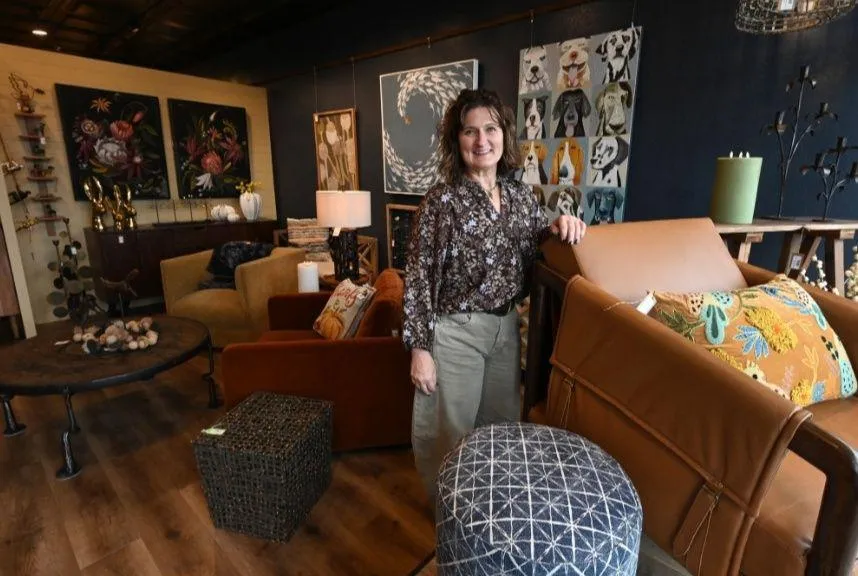
A styled living room scene with curated decor and furniture at Let's Stay Home.
My goal isn’t to make a quick sale. It’s to be your long-term partner in creating a home you genuinely love. That requires a level of honesty that is often missing in the retail world. So, I’m pulling back the curtain.
Here are the five things most furniture stores won’t tell you.
1. Matching Sets Are a Shortcut to a Boring Room
Matching sets are easy. They take the guesswork out of decorating, and for a retailer, they are an easy, high-value sale. But here’s the secret: they are also a shortcut to a room that lacks personality. A space where every piece of furniture looks the same tells a very one-dimensional story. It says, “I was all purchased on the same day from the same place.”
A home with soul, on the other hand, looks collected over time. It’s a mix of textures, styles, and stories. It has a beautiful tension that draws you in. The most stunning rooms are the ones where a modern sofa can live happily with a vintage armchair. It’s a philosophy our customers deeply appreciate.
“I loved the eclectic nature of this beautiful store. I discovered items here that I never seen in other Alaskan shops.” - Jessie, Let’s Stay Home Customer
Don’t be afraid to break up the set. Buy the bed you love, but find a pair of unique, mismatched nightstands. Choose the dining table that fits your family, and then collect different, comfortable chairs over time.
2. The Price Tag Doesn’t Always Reflect the Quality
This is one of the biggest secrets in the industry. A high price tag can create a halo of quality that isn’t always deserved. I have seen expensive, brand-name dressers made from particleboard and flimsy veneers, while a solid oak secondhand piece from the 1970s is available for a fraction of the cost and will last another fifty years.
As a curator, I’ve trained my eye to spot true quality. Here’s what you should look for:
Weight: Solid wood is heavy. If a large piece feels surprisingly light, it’s likely made from particleboard or MDF.
Joinery: Open a drawer. Do you see interlocking dovetail joints? That’s a sign of quality craftsmanship. Are there just staples and glue? That’s a red flag.
The Finish: Look at the wood grain. Does it look natural and varied, or does it have a repetitive, printed pattern? A quality finish should feel smooth to the touch.
3. You Don’t Need to Fill Every Space Immediately
High-pressure sales environments create a false sense of urgency. They want you to feel like you need to furnish your entire home right now. The truth is, the most personal and beautiful homes evolve slowly. It’s far better to live with an empty corner for a while than to fill it with a piece you don’t absolutely love.
Give yourself permission to wait. Live in your space, understand how you use it, and let it tell you what it needs. When you finally find that perfect piece to fill the void, the satisfaction will be a hundred times greater than if you had rushed the decision.
4. A “Sale” Isn’t a Deal If It’s Not the Right Piece
We are all conditioned to get excited by a bright red sale tag. But a 40% discount on the wrong sofa is still a 100% waste of money. A “deal” that you have to talk yourself into, that doesn’t quite fit the space, or that you don’t truly love will only lead to buyer’s remorse.
I would much rather see a client invest in one perfect piece at full price that they will cherish for a decade than buy three sale items they’ll want to replace in a year. The best investment you can make in your home is choosing pieces with intention, not because of a temporary promotion.
5. The Best Salesperson is a Good Listener
Have you ever walked into a store and felt like you were being talked at instead of listened to? The goal of many salespeople is to steer you toward a specific product, regardless of your actual needs. A true furniture consultant, however, should feel like a partner. Their first job is to listen.
They should be asking you questions: How do you live in this room? Who uses it? What feeling are you trying to create? What pieces do you already own and love? At Let’s Stay Home, this is the core of our approach. We’re not here to push our vision onto you; we’re here to help you clarify and achieve your own. It’s a difference our customers notice.
“The owner is also so lovely and helpful.” - Sheena, Let’s Stay Home Customer
Creating a home you love is a journey, and it deserves honesty and intention every step of the way. If you’re tired of the old way of doing things, we invite you to come experience a different approach. Visit us at our Anchorage store for a welcoming, no-pressure conversation about your home.
